Are you a content creator wondering where your efforts will pay off the most in 2026? The digital landscape is always changing, and understanding monetization is key to your success. Both TikTok and YouTube offer incredible opportunities, but their payout structures differ significantly. This guide dives deep into the TikTok Creator Fund (now Creator Rewards Program) and the YouTube Partner Program (YPP) for 2026. We’ll compare their earning potential, eligibility requirements, and help you decide which platform, or combination, is best for your goals. Whether you’re an aspiring influencer, a small business owner, or an SMM panel reseller, this information will help you make informed decisions about your content creator earnings.
Understanding the Monetization Giants: TikTok vs YouTube in 2026
Let’s break down how these two massive platforms enable creators to earn money. Their approaches to monetization have evolved, especially as we look towards 2026. Knowing these differences is your first step to a profitable content strategy.
TikTok’s Evolving Payouts: Beyond the Creator Fund
The original TikTok Creator Fund, known for its modest payouts, is no longer the primary way creators earn. TikTok recognized the need for better compensation for its top talent. This led to a significant shift in its monetization strategy. In its place, TikTok introduced the Creativity Program, now often referred to as the Creator Rewards Program. This new system aims to provide significantly higher payouts for creators. It rewards original, high-quality content that engages viewers for longer durations.
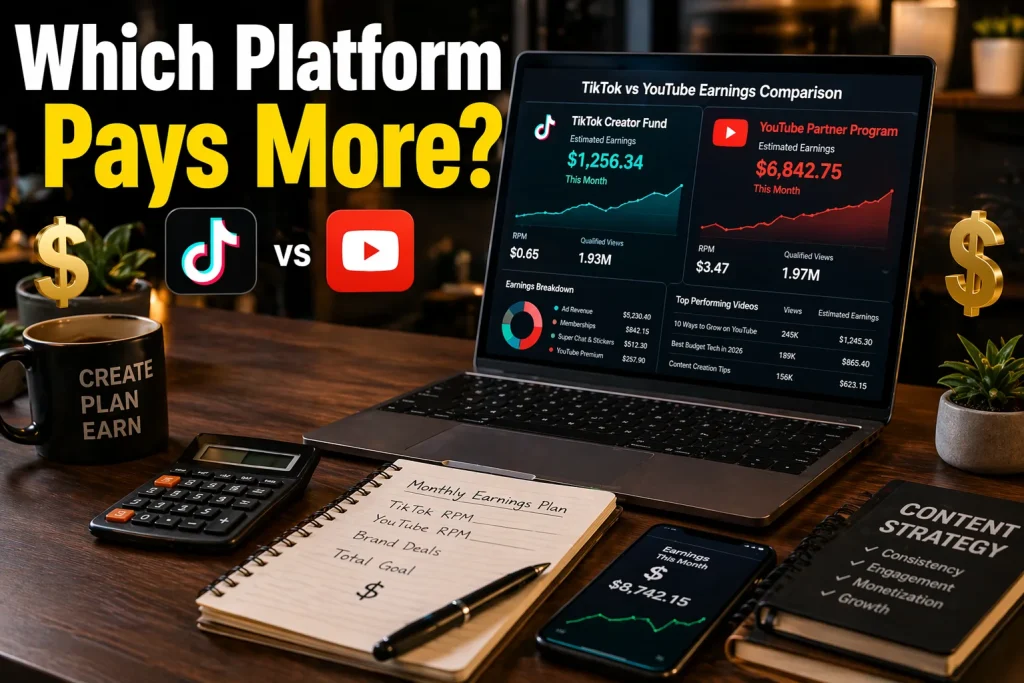
To join the Creator Rewards Program in 2026, creators in eligible countries like the US typically need to meet specific criteria. This includes having at least 10,000 followers and 100,000 video views in the last 7 to 30 days. The program specifically emphasizes videos that are longer than one minute. This focus helps creators earn more from their engaging content. Under this new program, RPM (Revenue Per Mille, or per 1,000 views) ranges from $0.40 to $1.50 for videos over one minute. This is a substantial increase compared to the old Creator Fund’s rates. It shows TikTok’s commitment to supporting creators who produce high-quality, longer-form content.
An example 10-minute video with 100,000 views might earn around $100. Beyond direct program payouts, TikTok offers several other ways to earn. Live Gifting allows viewers to send virtual gifts during live streams, with creators typically receiving about 50% of the value. Brand deals and partnerships are also a major source of income, often facilitated through the TikTok Creator Marketplace. Additionally, features like TikTok Shop and Series provide opportunities for direct sales and premium content.
YouTube Partner Program (YPP) in 2026: The Gold Standard?
The YouTube Partner Program (YPP) has long been considered a stable and lucrative platform for creators. YouTube’s monetization system is well-established, offering diverse income streams for various content formats. It continues to be a strong contender for content creator earnings. To be eligible for the full YPP in 2026, creators need 1,000 subscribers and either 4,000 valid public watch hours in the past 12 months or 10 million valid public Shorts views in the past 90 days. YouTube has also introduced lower eligibility tiers for earlier access to some monetization features, making it more accessible for growing channels. The primary way creators earn through YPP is via AdSense. For long-form videos, creators receive 55% of the ad revenue generated, with RPMs ranging from $3 to $40 per 1,000 views. This wide range depends on factors like audience demographics, niche, and viewer engagement.
A 10-minute finance video with 100,000 views, for instance, could earn around $1,500 due to higher ad rates ($15 RPM). YouTube Shorts also have their own monetization model within YPP. This operates on a pooled revenue system, where creators receive 45% of the ad revenue generated. Shorts ad revenue typically ranges from $0.03 to $0.50 per 1,000 views. While lower than long-form, it still provides a new income stream for short-form content.
YouTube offers numerous other revenue streams for creators. These include Channel Memberships, where fans pay a recurring fee for exclusive perks. Super Chat, Super Thanks, and Super Stickers allow viewers to pay to highlight their messages during live streams or on videos, with creators receiving around 70% of the share. The Merchandise Shelf and YouTube Shopping features enable creators to sell products directly, and brand deals remain a significant income opportunity.
The Ultimate Showdown: TikTok Creator Earnings vs YouTube Payouts
Now, let’s get down to the numbers and directly compare the earning potential on both platforms in 2026. This comparison focuses on the most common ways creators earn money. We will look at both direct ad revenue and other lucrative opportunities.
Direct Ad Revenue Comparison (RPM/CPM)
When comparing direct ad revenue, YouTube’s long-form content generally offers significantly higher payouts per 1,000 views than TikTok’s Creator Rewards Program. This is largely due to the type of ads, viewer intent, and watch time. YouTube’s 55% share for long-form content often translates to much better RPMs.
Platform/Content Type
RPM/CPM Range (per 1,000 views)
Creator Share
TikTok Creator Rewards (1+ min videos)
$0.40 to $1.50
Variable (based on engagement, originality)
YouTube Long-form Video
$3 to $40
55%
YouTube Shorts
$0.03 to $0.50
45% (from pooled revenue)
YouTube’s higher RPM for long-form content reflects a more mature advertising ecosystem. Advertisers pay more for engaged viewers who watch longer videos, making these videos more valuable. TikTok’s Creator Rewards, while a big step up from the old Creator Fund, still has lower direct ad revenue potential per view compared to YouTube’s long-form. However, TikTok’s short-form virality can lead to massive view counts quickly.
Sponsorships and Brand Deals: Where the Real Money Is
For many creators, sponsorships and brand deals are often the most lucrative income stream, surpassing direct platform ad revenue. Both TikTok and YouTube are excellent platforms for securing these partnerships. The rates can vary based on follower count, niche, engagement, and content quality. A creator with 100,000 followers might earn $500 to $3,000 per video on TikTok for a sponsorship. On YouTube, a similar creator could command $1,000 to $5,000 per video. For creators with 1 million followers, TikTok sponsorships typically range from $5,000 to $30,000 per video, while YouTube sponsorships could fetch $5,000 to $50,000 per video.
TikTok’s strength lies in its ability to generate rapid brand awareness and viral trends, making it attractive for product launches and campaigns seeking broad reach. YouTube, with its more engaged and often older audience, is favored for in-depth product reviews, tutorials, and content that drives conversion. Savvy creators leverage TikTok’s virality to quickly build an audience, then transition that audience to YouTube for deeper engagement and potentially higher-paying, more frequent brand deals.
Diverse Income Streams: Beyond the Basics
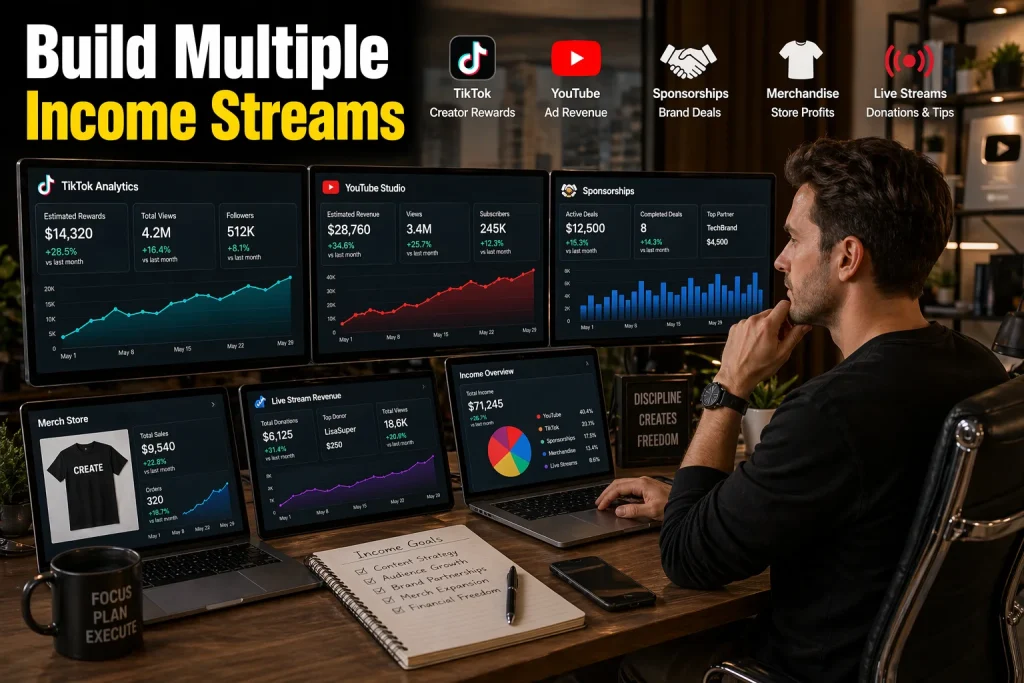
Both platforms provide income opportunities beyond direct ad revenue and sponsorships. YouTube offers robust options like Channel Memberships, allowing consistent income from dedicated fans. Its Super Chat and Super Thanks features during live streams and on videos are also significant. Merchandise shelves and shopping features directly integrate e-commerce. TikTok’s Live Gifting provides a strong live stream monetization option. TikTok Shop allows creators to earn commissions directly from in-app sales. While YouTube offers more diverse and established recurring revenue options, TikTok is rapidly expanding its commerce features. Ultimately, the power of evergreen content on YouTube means videos can earn revenue for years. TikTok’s engagement is often front-loaded, meaning content earns most of its revenue shortly after posting.
Tailored Strategies for Maximum Earnings: Your Audience, Your Platform
No single strategy fits everyone. Your approach to monetization should align with your specific goals and target audience. Here are tailored strategies for aspiring influencers, small business owners, and SMM panel resellers.
For the Aspiring Influencer
Gen Z and Young Millennials
Aspiring influencers often face challenges like inconsistent initial income and reaching monetization thresholds. They seek rapid growth and a clear path to sustainable earnings.
TikTok First for Rapid Growth: Start on TikTok to leverage its viral potential. Focus on trending sounds, challenges, and short, engaging content to quickly build a follower base. Once you meet TikTok’s Creator Rewards eligibility, aim to qualify for higher payouts.
Content Repurposing Strategy: Don’t let viral TikToks die out. Repurpose successful short-form content into YouTube Shorts or expand them into longer, more in-depth YouTube videos. This funnels your TikTok audience to YouTube, where long-form content often yields higher RPMs.
Focus on Engagement and Watch Time: For TikTok Creator Rewards, prioritize videos longer than one minute that maintain viewer interest. On YouTube, aim for high watch time and audience retention to boost ad revenue and algorithm visibility.
Building a Multi-Platform Presence: Diversify your income by having a strong presence on both platforms. Use TikTok for discoverability and YouTube for building a deeply engaged community and stable income. Learn more about maximizing your influencer earnings across platforms.
For the Pragmatic Small Business Owner
25 to 44 Age Group
Small business owners need content strategies with clear ROI and efficient use of resources. They aim to translate views into leads and sales.
YouTube for Evergreen Tutorials and Product Reviews: Leverage YouTube for creating long-form, searchable content like product demonstrations, how-to guides, and industry insights. This content can generate leads and sales for years. It’s excellent for affiliate marketing and direct product links.
TikTok for Engaging Product Showcases and Impulse Buys: Use TikTok for short, creative product showcases, behind-the-scenes glimpses, and engaging customer testimonials. Drive impulse purchases directly through TikTok Shop integration, focusing on trending audio and visually appealing content.
Leveraging Platform-Specific Advertising: Invest in targeted advertising on both platforms. YouTube ads can reach specific demographics with long-form content, while TikTok ads are excellent for broad reach and quick brand awareness campaigns.
Calculating Content ROI: Always measure the success of your content beyond just views. Track website traffic, lead generation, and direct sales originating from your social media efforts. Use analytics to refine your strategy and ensure a positive return on investment. Discover content monetization strategies tailored for business growth.
For the SMM Panel Reseller
Entrepreneurs and Growth Hackers
SMM panel resellers need deep insights into platform mechanics to advise clients on ethical growth strategies and maximizing monetization. They navigate compliance and client ROI.
Understanding Monetization Eligibility: Stay updated on the exact follower and view count requirements for both TikTok’s Creator Rewards and YouTube’s YPP in 2026. This allows you to accurately advise clients on the fastest path to eligibility based on their content type and goals.
Educating Clients on RPM Differences: Explain the nuances of RPMs between platforms. Help clients understand that while TikTok can provide viral reach, YouTube’s long-form content often offers higher per-view earnings. This manages expectations and informs strategy.
Leveraging YouTube SEO and Compliant Growth: Teach clients how to optimize YouTube videos for search to gain organic, long-term views. Focus on compliant growth strategies that adhere to platform Terms of Service to ensure sustainable monetization for your clients.
Creating Tutorials on Multi-Platform Growth: Develop resources for your clients on how to effectively repurpose content and build a synergistic presence across platforms. This adds value to your services by offering comprehensive growth solutions. Always provide strong disclaimers about platform Terms of Service when discussing any form of “boosts.” Explore reseller strategies for maximizing client earnings across platforms.
Content Gaps and Opportunities: How to Stand Out in 2026
Beyond direct payouts, creators have many avenues to build a thriving business. Consider these opportunities to truly maximize your content creator earnings. Building a strong community on both platforms can lead to significant networking opportunities and skill development. Engage with your audience, collaborate with other creators, and continuously refine your content creation skills. This organic growth can open doors to unexpected partnerships and projects. Looking ahead, the creator economy is constantly evolving. Understanding how automation and advanced tools can aid content creation and distribution will be crucial. Stay informed about emerging trends that could impact monetization, ensuring you remain competitive.
For creators, understanding the tax implications of your earnings is essential. While this article provides general information, always consult a tax professional. Proper financial planning can significantly impact your net income and long-term financial health. Diversifying your income streams beyond platform payouts, such as selling merchandise, offering digital products, or consulting, creates a more resilient creator business model.
Conclusion: Making Your Monetization Decision for 2026
Choosing between TikTok’s Creator Rewards Program and the YouTube Partner Program for 2026 isn’t a simple either-or decision. Both platforms offer distinct advantages for content creator earnings. YouTube generally provides higher per-view revenue for long-form content and more stable, evergreen income opportunities. TikTok, with its updated Creator Rewards, offers significant earning potential for engaging, longer short-form videos and unparalleled viral reach for brand awareness. The most powerful strategy for 2026 and beyond is often a hybrid approach. Leverage TikTok’s ability to drive rapid audience growth and build brand presence.
Then, funnel that audience to YouTube for deeper engagement, higher ad revenue, and more diverse monetization options. Align your content strategy with your personal goals, your business objectives, and your audience’s preferences. By doing so, you’ll be well-positioned to maximize your earnings in the dynamic world of online content creation.
FAQ Section
Q: I’m an aspiring creator with limited time; which platform offers the quickest path to actually earning money in 2026, even if it’s not a lot? A: For rapid growth and hitting initial monetization eligibility, TikTok might offer a quicker path, especially with its viral potential. Its Creator Rewards Program provides payouts for eligible longer videos. However, the per-view earnings are typically lower than YouTube’s long-form content.
Q: As a small business owner, how can I ensure my content on either platform translates into tangible sales or leads, rather than just views, and which platform is better for this ROI? A: YouTube is generally better for converting views into leads and sales through evergreen content like tutorials and product reviews, offering direct links and robust commerce features. TikTok is excellent for brand awareness and driving impulse buys via TikTok Shop. A hybrid strategy often yields the best ROI.
Q: Given TikTok’s Creator Rewards Program and YouTube’s updated Shorts monetization, which platform provides more consistent and predictable monthly income for steady content creation? A: YouTube, especially with its long-form content and diverse monetization options like memberships, generally offers more consistent and predictable monthly income. Its evergreen content continues to earn over time. While TikTok’s Creator Rewards offers better payouts than before, its engagement can be more front-loaded.
Q: What are the biggest risks of trying to monetize on TikTok vs YouTube in 2026, especially regarding eligibility changes, demonetization, or platform bans, and how can I avoid them? A: Risks include sudden policy changes, demonetization for content violations, or account bans. To avoid them, always adhere strictly to each platform’s Community Guidelines and Terms of Service. Diversifying your content across platforms and not relying on a single income stream also mitigates risk.
Q: Beyond direct ad revenue, what are the most effective alternative income streams on both TikTok and YouTube for 2026, and how can I leverage them to build a diversified creator business? A: Effective alternative streams include brand deals and sponsorships, which often pay more than direct ad revenue. On YouTube, channel memberships, Super Chats/Thanks, and merchandise sales are strong. TikTok offers Live Gifting and TikTok Shop. Leverage these by building a loyal community and creating valuable content for diverse income sources.
Verified Author
Written by
Mark A . Johnson
Mark A. Johnson is a social media growth strategist and content lead at BuyRealFollows.com. With over a decade of experience in platform research and digital marketing, he helps brands and creators build real audiences on Instagram, YouTube, TikTok, Facebook, and Spotify. His work focuses on algorithm analysis, engagement mechanics, and social proof strategy. Mark writes practical, research-backed guides to help readers grow their presence with confidence.
WHAT YOU'LL LEARN IN THIS GUIDEWhat separates a safe TikTok follower provider from one that risks your accountThe five criteria every reliable TikTok follower site must meet in 2026How BuyRealFollows,…
WHAT YOU'LL LEARN IN THIS GUIDEWhy your Facebook page has no engagement and what the algorithm actually prioritizes in 2026The four specific signals Facebook uses to decide which posts to…
WHAT YOU'LL LEARN IN THIS GUIDEWhy most bought TikTok views drop or disappear within days and what causes itThe specific signals TikTok uses to validate views as real versus artificialWhat…
WHAT YOU'LL LEARN IN THIS GUIDEThe real differences between Twicsy and BuyRealFollows across follower quality, pricing, and platform coverageHow Twicsy's three-tier follower system (High-quality, Active, VIP) compares to BuyRealFollows' approachWhich…
WHAT YOU'LL LEARN IN THIS GUIDEWhat SocialWick is and how it differs from BuyRealFollows in platform scope and pricingSocialWick's 15+ platform catalog versus BuyRealFollows' focused 5-platform modelA verified pricing comparison…